First, let's be clear. Do I consider myself an objective expert in anything? No, absolutely not. Extremely enthusiastic and curious about things that catch my interest—obviously. Highly experienced in certain areas? Sure. Notice the very particular title—there were seeds for a very nuanced train of thought planted a couple months back via a podcast discussion, a newsletter, and a post that got me scribbling in a notebook, eventually resulting in this post. Ride with me if you dare.
Stages of a Hobby
First there was a discussion prompted by a listener question on Episode 735 of The Pen Addict Podcast about what characterizes the different stages of a stationery-related hobby (and what advice they would have for each stage), followed up by the part that really stuck with me in Brad's Member Newsletter, Refill #541. I highly recommend subscribing, but the idea he posited (which I've been thinking about since) is that the top level of pursuing a hobby/interest is becoming an expert in yourself—reaching a full understanding of what you like, and why.
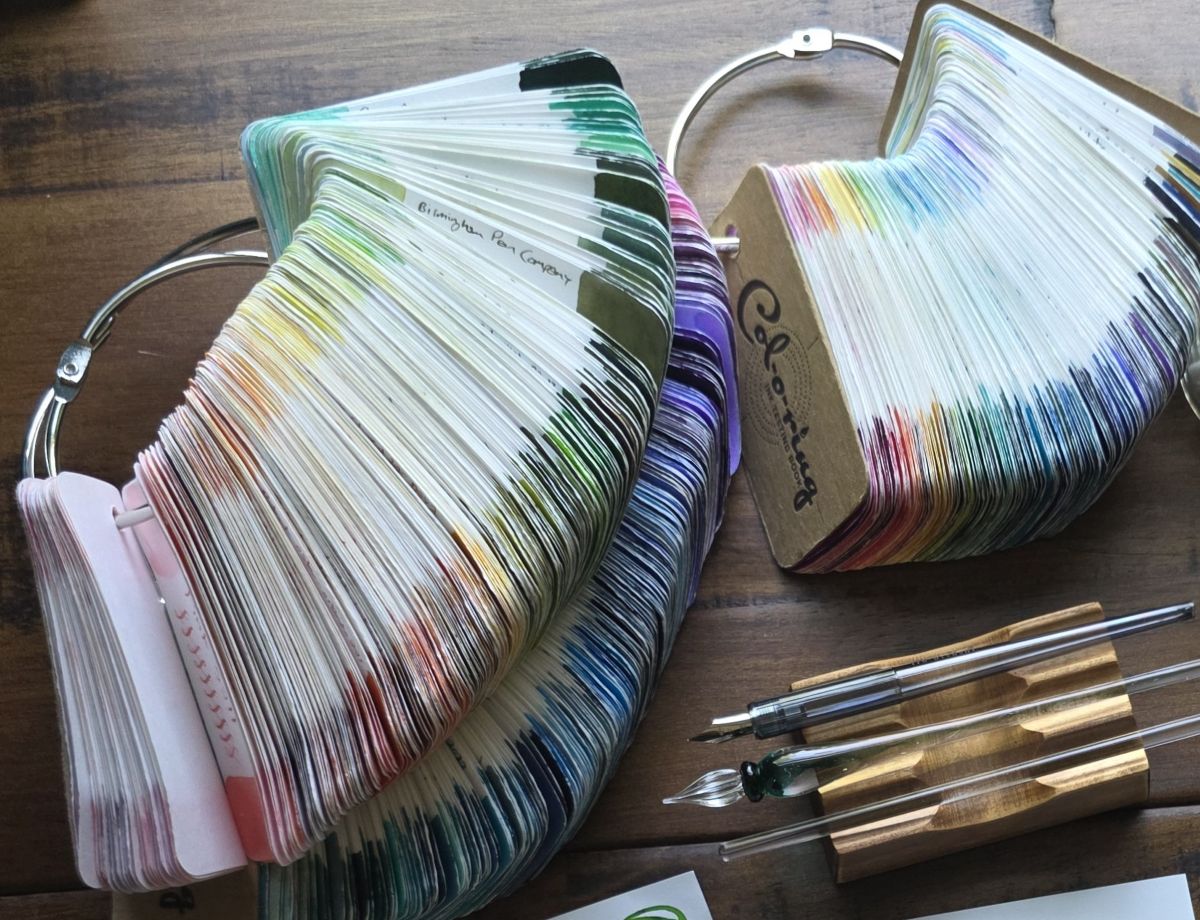
I started thinking about this a lot, and another post led me into a case study of sorts—exploring this idea of becoming an expert about my own preferences in regards to one specific thing.
Red
I don't like the color red. At least, that's what I've thought for years. Not because I associate it with getting graded in school or anything like that, red was always just really low down on the list of colors I would choose. But then, I kept enjoying using certain inks that I would broadly categorize as "red" inks. When Joe published his post My Favorite Red Inks in 2026 (and Why I Still Decided to Make My Own), I immediately started thinking about my own list of favorite red inks, because, turns out, I do have red inks I'm genuinely fond of. Did my preferences change? Maybe, but instead I think a broader perspective allowed me to see more accurately where my own preferences lie.
For a while now if you asked what my favorite color is, I (and probably anyone who's known me for more than 5 minutes) would immediately say green. But also, I'm not particularly fond of some shades of green, like a classic Crayola green or kelly green. Similarly, bright reds are not my thing. I realized for me it was actually a lot more about tone than shade of color—across all the color families my vibe is earth tones, not jewel tones.
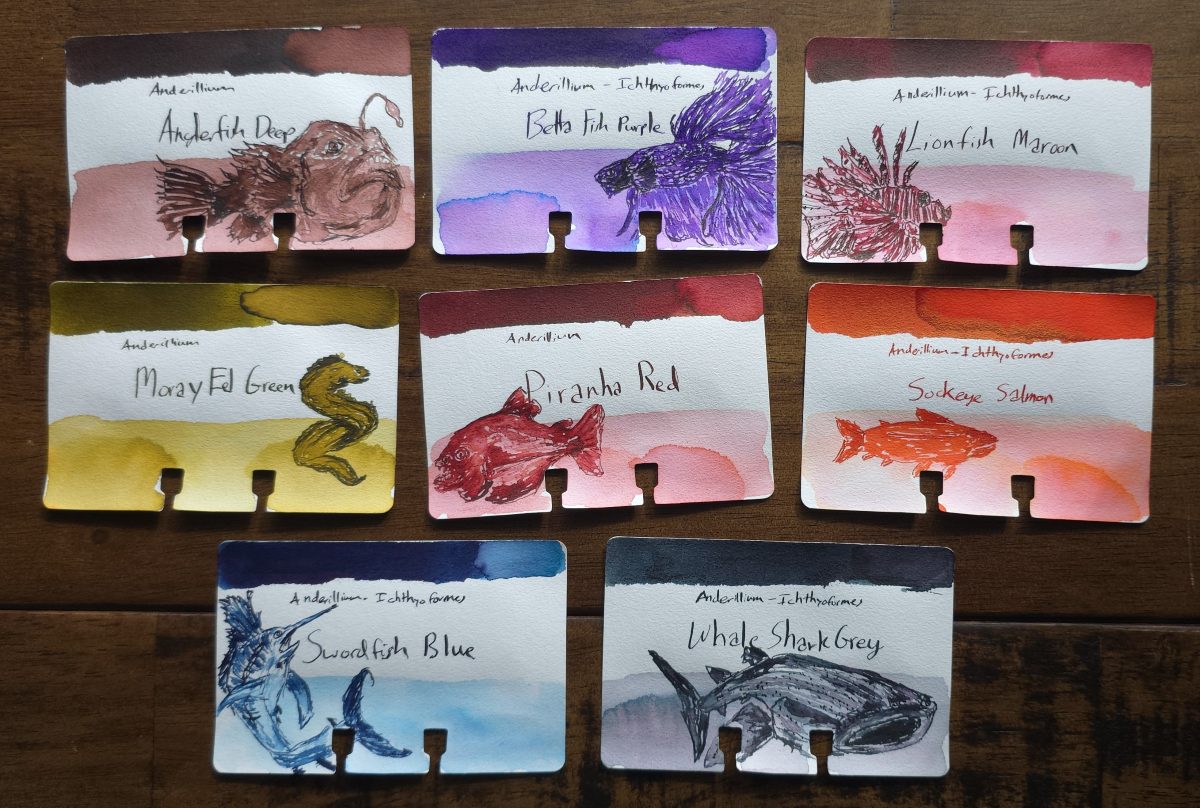
There were several shades of red in the most recent Anderillium ink series—I really like and want to write with Piranha Red, and would also ink up Lionfish Maroon. The bright red Sockeye Salmon is the shade I'm unlikely to reach for.
Red Inks I Enjoy
Ok, time for a break from the introspection, let's just look at some red inks I really enjoy using.
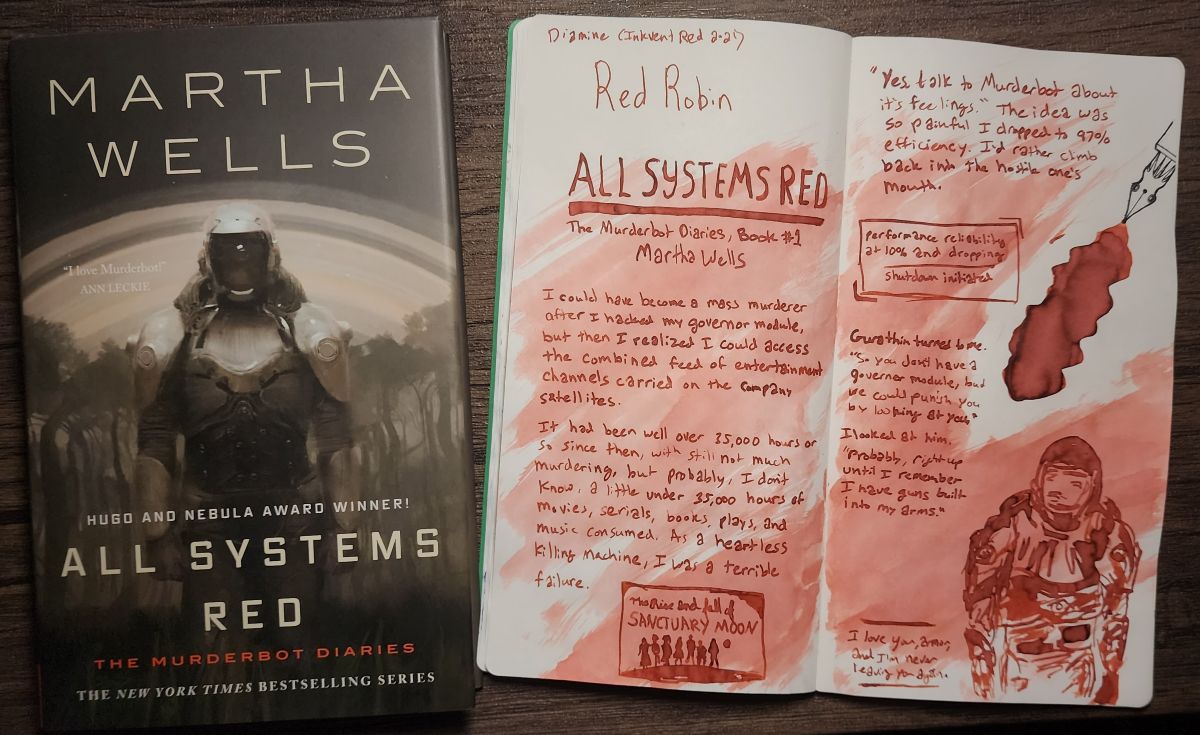
The first Diamine inkvent calendar I did was in 2021, and while there were several cool shimmer and sheening inks I was really taken by several "standard" colors that had a lot of character like Candlelight and Harmony, but also an ink called Red Robin. This is probably the first fountain pen ink where I surprised myself by liking a red, and not just for the holiday season.
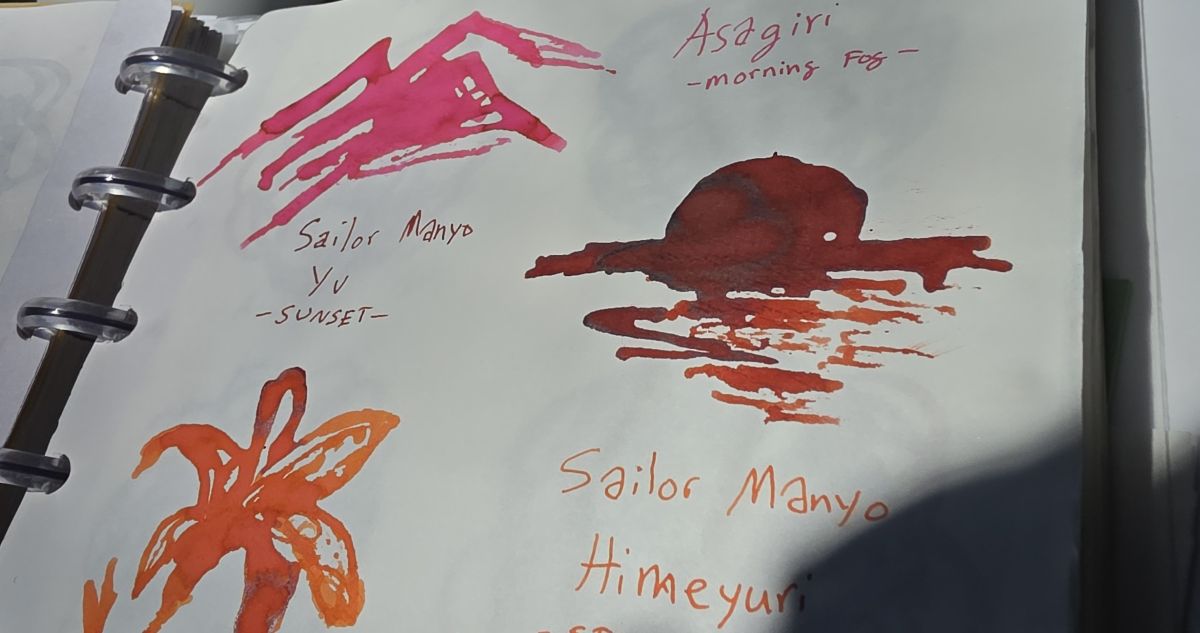
I'm a huge fan of the Sailor Manyo line of inks, and to celebrate the fifth year anniversary Sailor released a series of five inks. These were good but not particularly remarkable colors to me, except for the dark red Yu (sunset) color which had character that caught my eye.
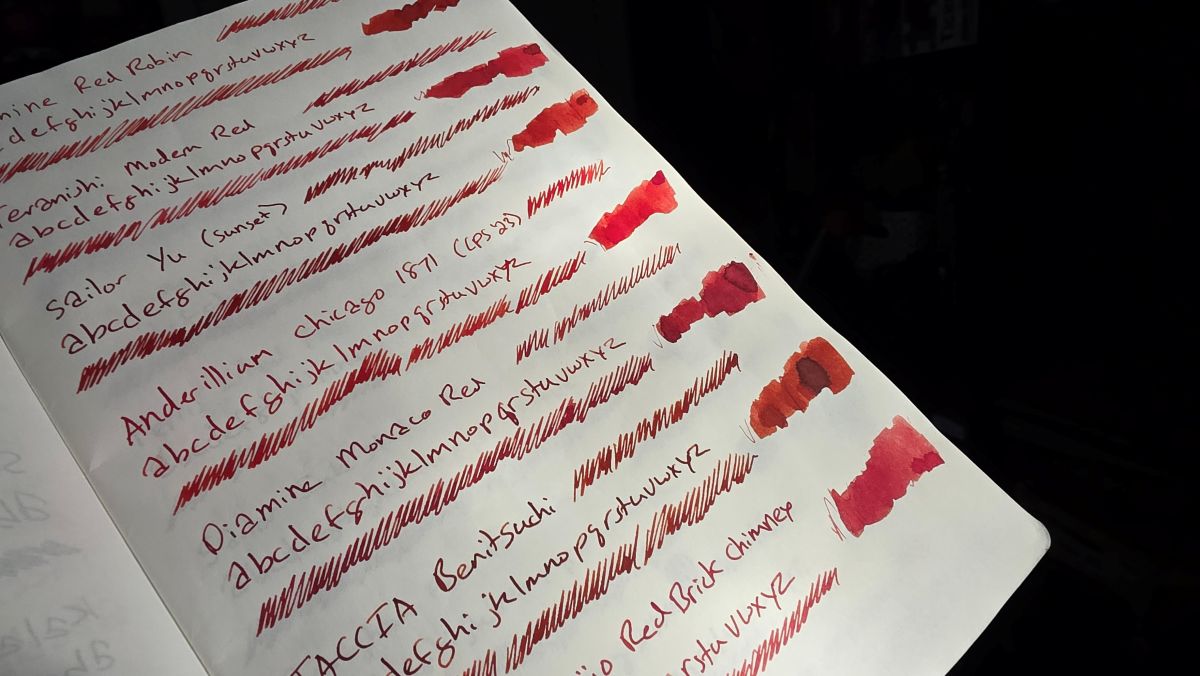
I swatched several reds together on a page in this notebook. As I was starting to really understand the particular shades of red I like, I picked out Diamine Monaco Red and was not disappointed. The Anderillium Chicago 1871 above it is a brighter red that I'm not inclined to reach for.
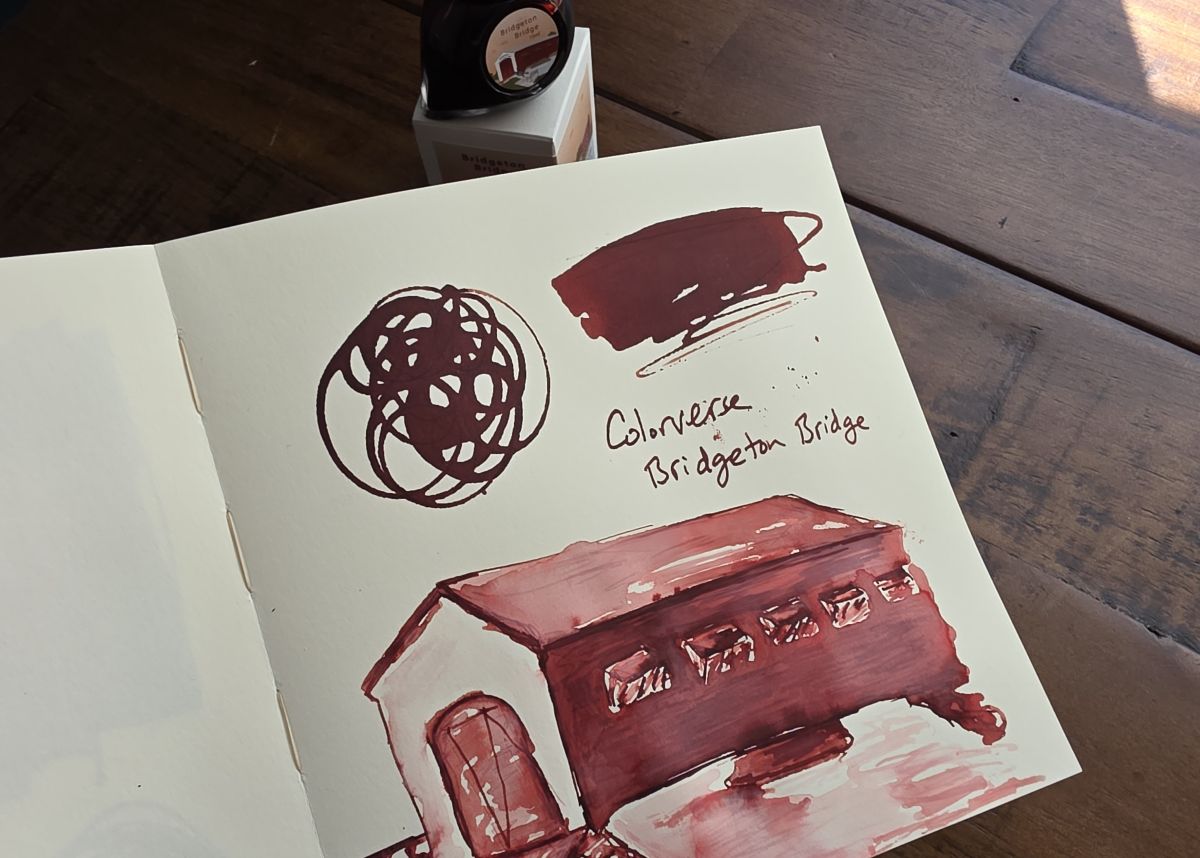
I've been picking up inks in the Colorverse USA series, and I originally got this Bridgeton Bridge (Indiana) ink because it was a good price to grab another ink in the series. I ended up choosing this ink for the first fill of my Benu Haute Decadance pen, which is a mix of amber gold and reddish brown, and loved the pairing.
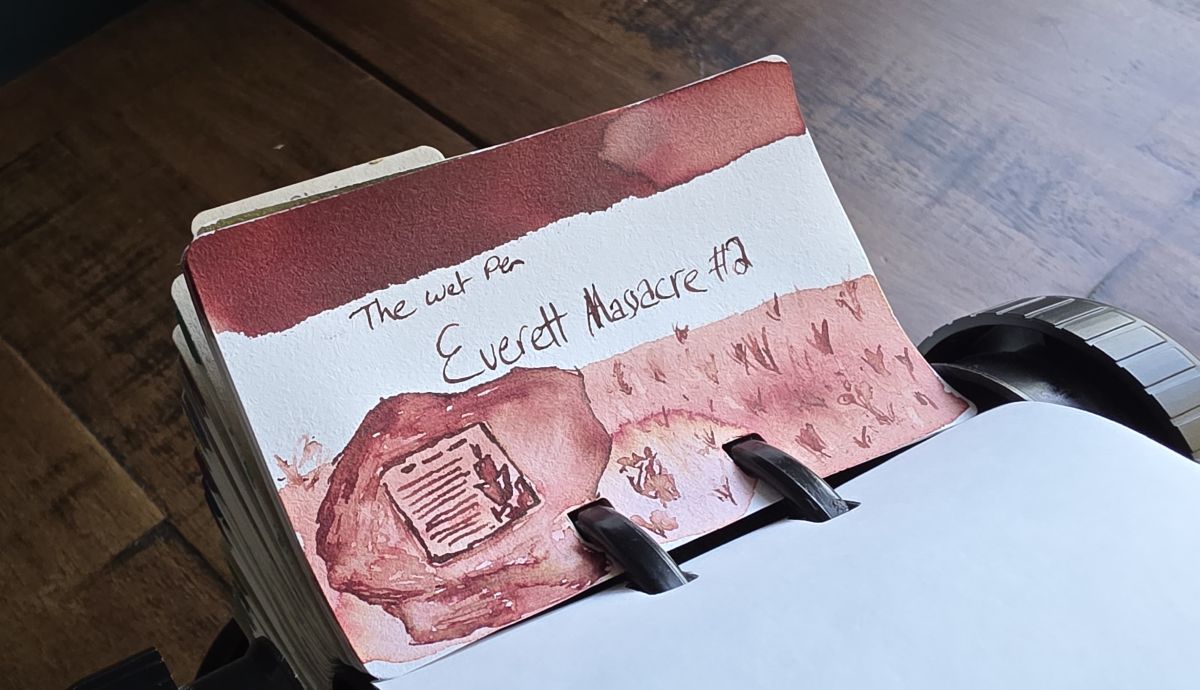
Not sure what this says about me but I've realized I do like a dark, rusty, dried blood shade. However, I've not particularly been drawn to any of the popular "blood" named inks from Diamine. Instead, it was this ink from The Wet Pen inspired by a bloody event that occurred over 100 years ago in Everett, Washington that I put into a TWSBI Vac Mini, which was a bit dramatic in the demonstrator body of the pen, and wrote it dry.
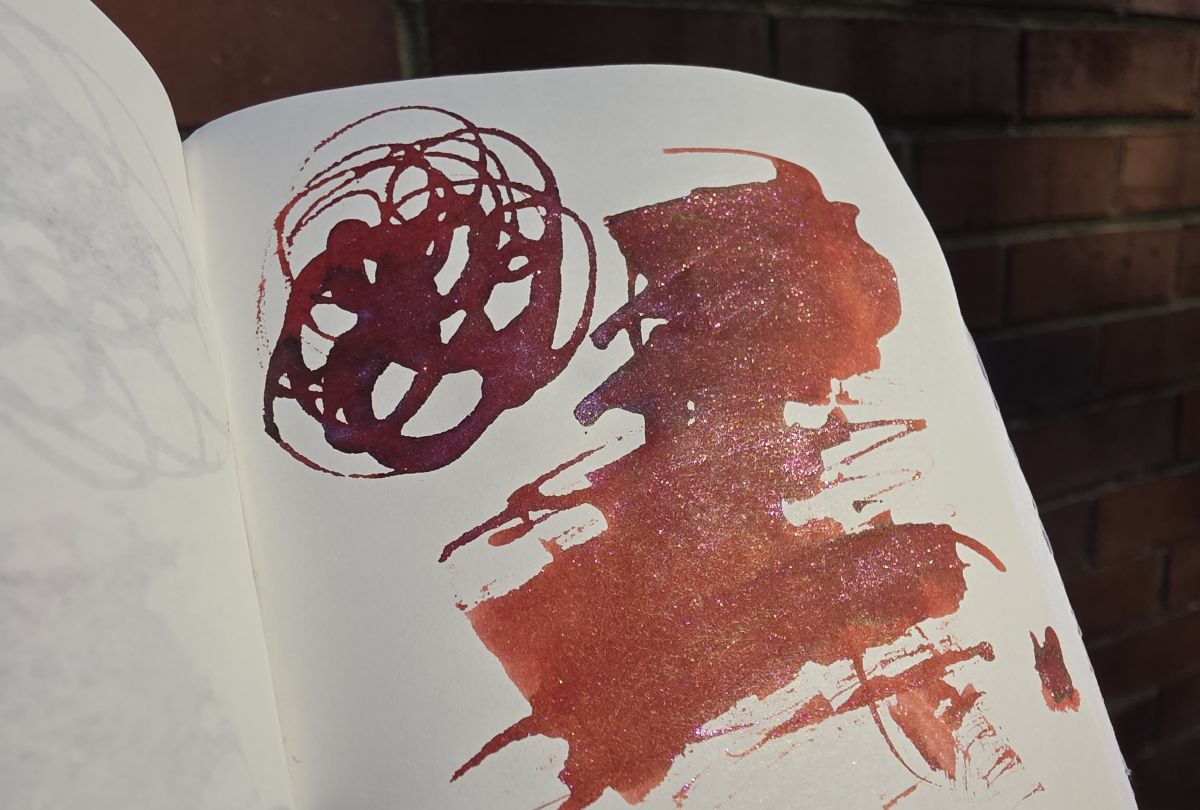
One of the surprises in the 2025 Colorvent calendar was a whole bottle of just "shimmer" additive that could be mixed with any of the other inks to make them into a glistening ink. One of the colors I mixed the shimmer into was Martian Dust, another lovely red from Colorverse.
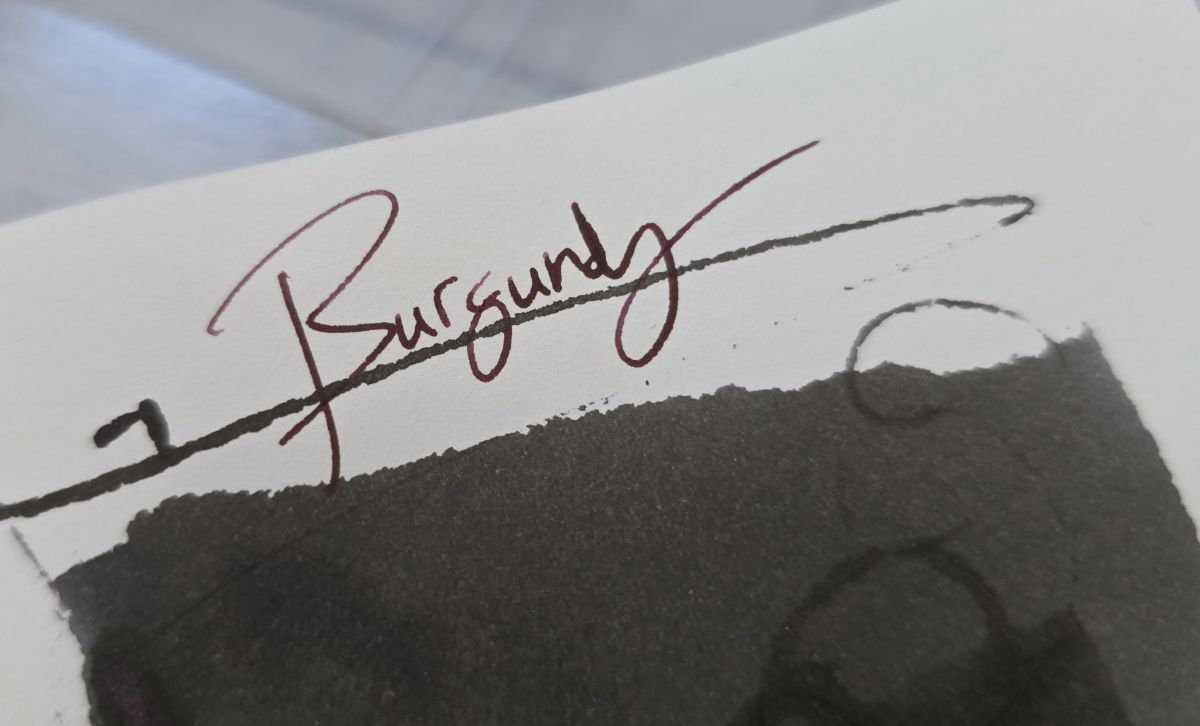
You may notice that most of these reds I've liked lean a little orange or brown, but I appreciate a good burgundy shade as well. I'm not unbiased here, but I've been writing with Joe's custom red ink, Classic Burgundy (made by Tono & Lims, as covered in The Gentleman Stationer post referenced above) quite a bit. This has been inked in a matching Pilot Custom 74 with a medium cursive italic grind from Matthew Chen, a fitting pen and ink combo.
Becoming Expert
I like the idea of becoming more of an expert of myself—I feel like in the last few years I've begun to understand significantly more about myself in general. Now that I'm over six years into specifically being interested in fountain pens and inks, with a rejuvenated lifetime interest in paper and "office supplies" overall, it's a great stage to lean into my likes, revisit some dislikes, and really dig into little details like "red inks" to find what fits.
Final Thoughts
My thanks to Brad and Joe for their own thoughtful writings that sent me down this interesting track of thinking.
Despite the disclaimer at the top, I did also spend time thinking about what would qualify someone to be deemed an "expert" in the traditional sense. At least in this world of stationery and office supplies, I'd expect significant knowledge and experience that is both wide and deep—that goes beyond one's own use cases and preferences—even if the specific area of expertise is relatively narrow. An ability to leverage that knowledge or experience for practical use—providing a service, educating others, communicating effectively or providing advice, etc. seems important to be an expert in a community. Passion might not be a strict requirement, but probably a common prerequisite. Finally, perhaps "expert" is a label best applied by others rather than claimed by oneself.
I owe it to myself to keep investing some time and energy into becoming expert on myself, while not taking for granted the opportunities I have to gain broader and deeper experience (particularly beyond my own preferences and use cases) through my role at The Gentleman Stationer and being part of this community as Olive Octopus. Do you feel like you've reached the Expert stage in a particular hobby or interest yet?