About a year ago I shared 10 Useful Things that have become a regular (often daily) part of how I use my pens and ink. Here I'm expanding on that list with ten more useful items that have helped me build creative environments, support adjacent or overlapping interests, or make life a little easier—or simply more fun.
No. 1 Felt Right Panels
Several years ago I went on a hunt to find a way to store and display my growing collection of enamel pins. I had tried a couple different things that didn't work out when I eventually stumbled across Felt Right panels. These panels are lightweight, dense felt that use adhesive patches to stick on the wall and are just deep enough to keep most enamel pin posts from going all the way through and puncturing the wall.

Originally I went with black and dark-gray panels to not distract from the pins, but when I moved the panels to a different room I wasn't happy with the dark colors and previous layout in the new space. There are also a lot more colors to choose from now, so I've got a new layout of colorful strips, but haven't moved over all the pins yet.
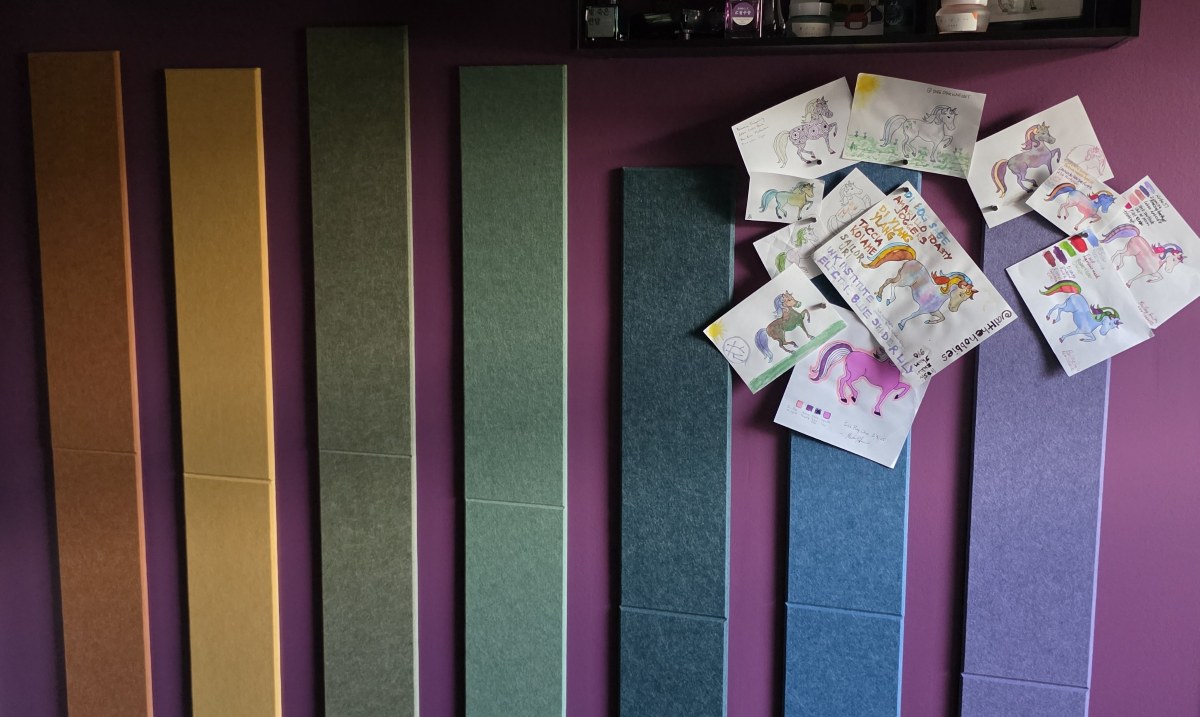
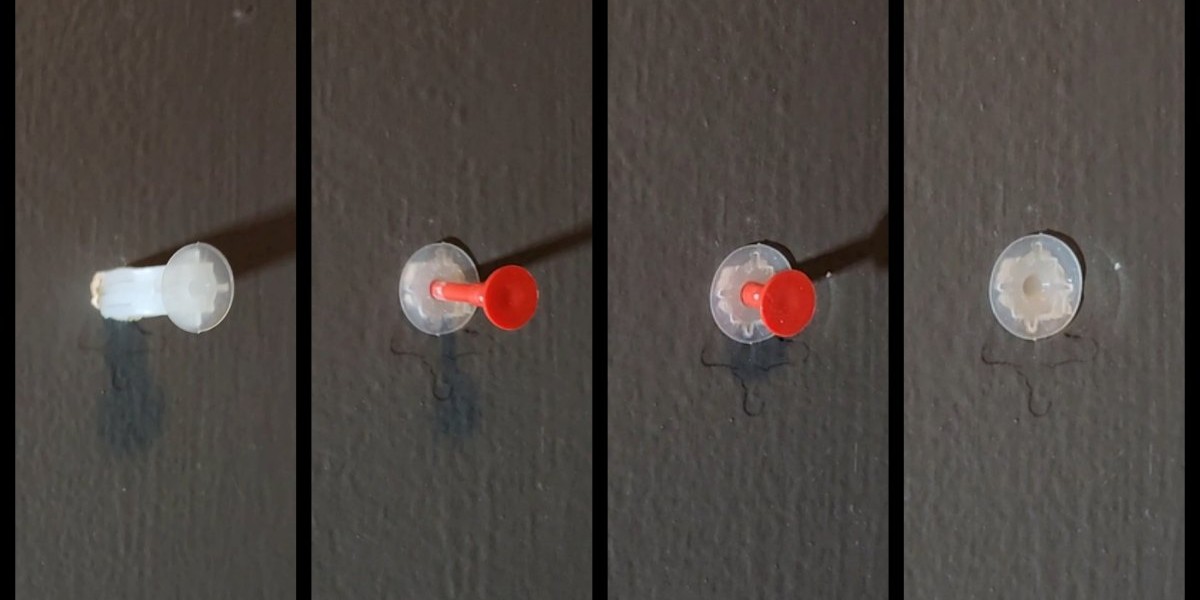
Ink Pony Club is well-represented though, and I've been using these push pins that have a flat circle top and a magnet to hold items without poking holes in the paper.
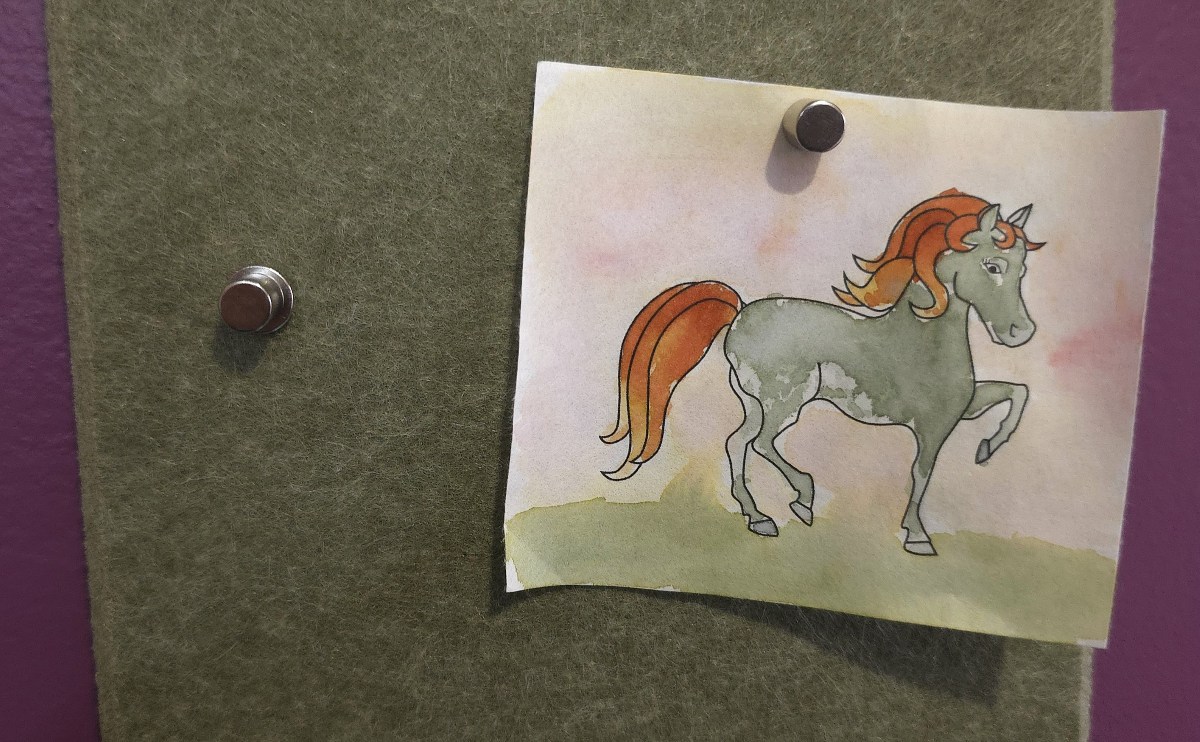
(Note: it's important to not push pins in too hard and double-check post length to make sure the tips won't push all the way through. Push pins may have longer posts than a typical enamel pin.)
No. 2 Locking Pin Backs
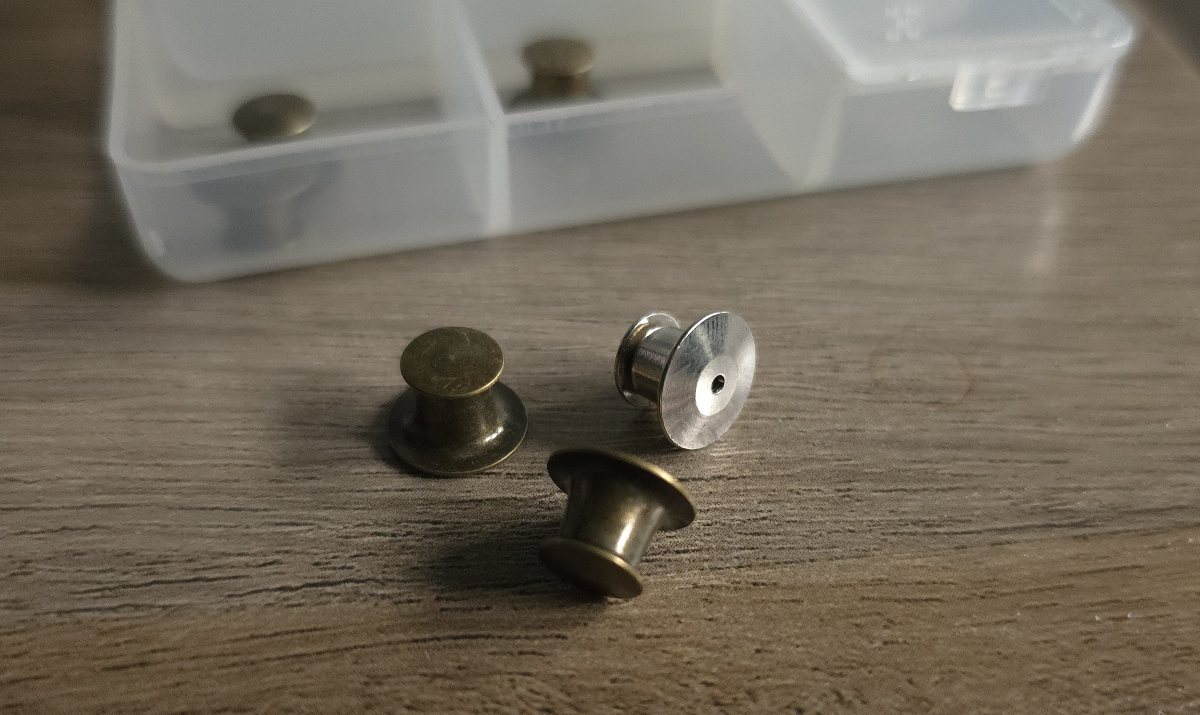
While we are talking about enamel pins, locking pin backs are a must when you want to attach your favorite pins to a lanyard, bag, or jacket to take on the go. I don't have a specific brand to recommend but I use the kind that look like little hats and I've gotten them in a couple different colors. They can take some practice (and a little patience) to remove sometimes, but it's worth it to worry less about losing pins.
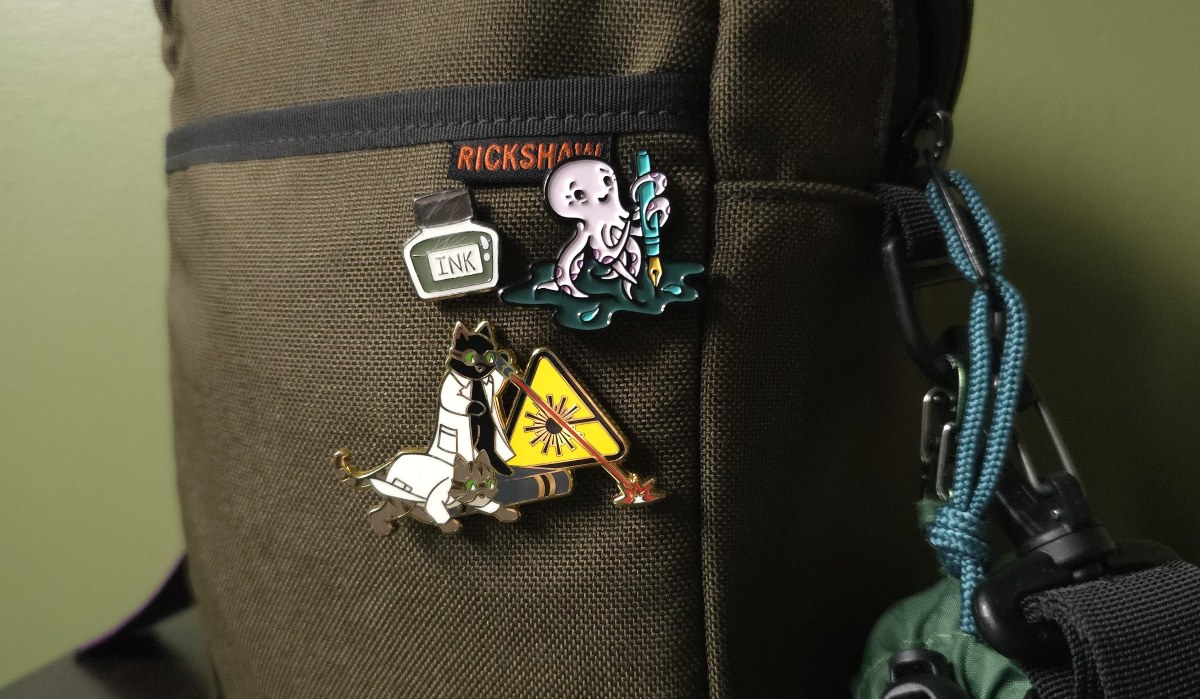
I've been collecting enamel pins a lot longer than fountain pens and inks, but naturally these interests have converged with pen and ink related pins getting added to the collection.
No. 3 "Geek" Shelves
That's just what I call them—these Closet Maid mini-cube wall shelves with either 4 or 6 compartments are pretty good for displaying the various geeky things we collect. I use them to display Lego, cool ink bottles and boxes, favorite books, all sorts of things.
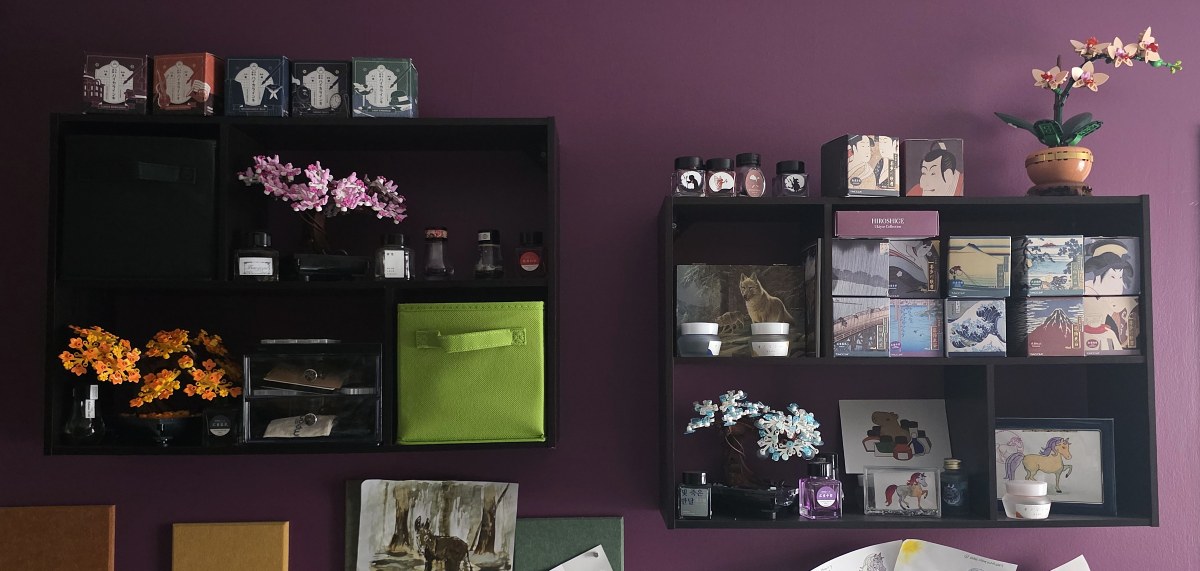
They are not particularly high quality or robust for holding a lot of weight, but with light to moderate use have held up for me for years. They could be the base for creating a cool streaming or zoom background.
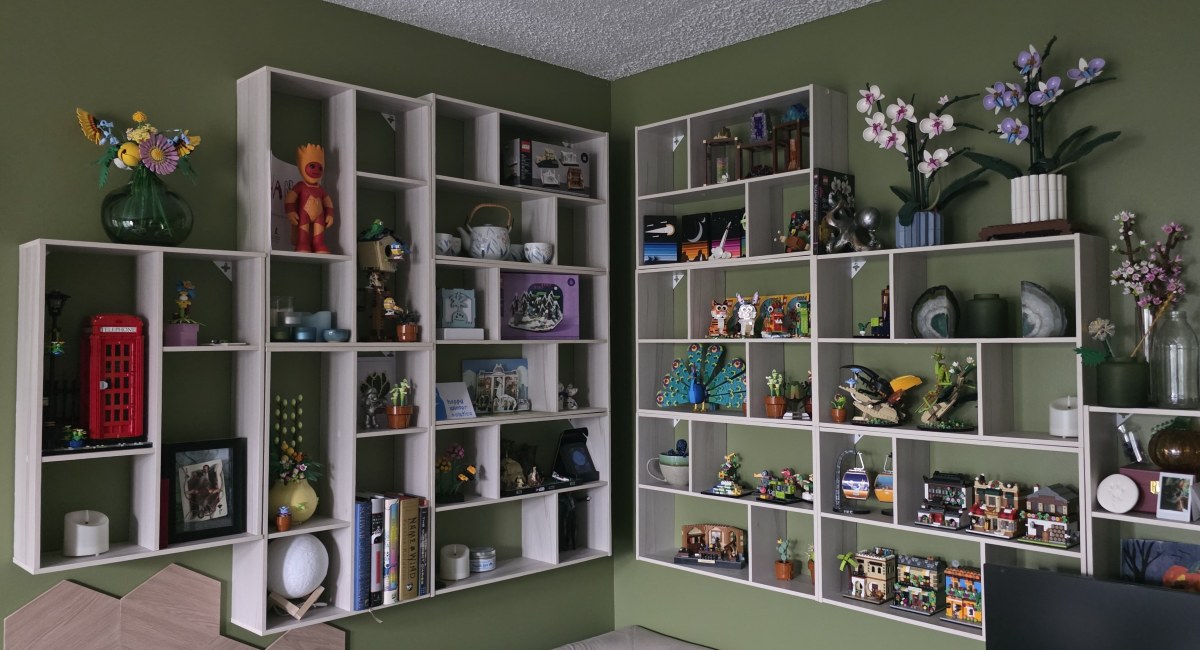
No. 4 Wall Anchors
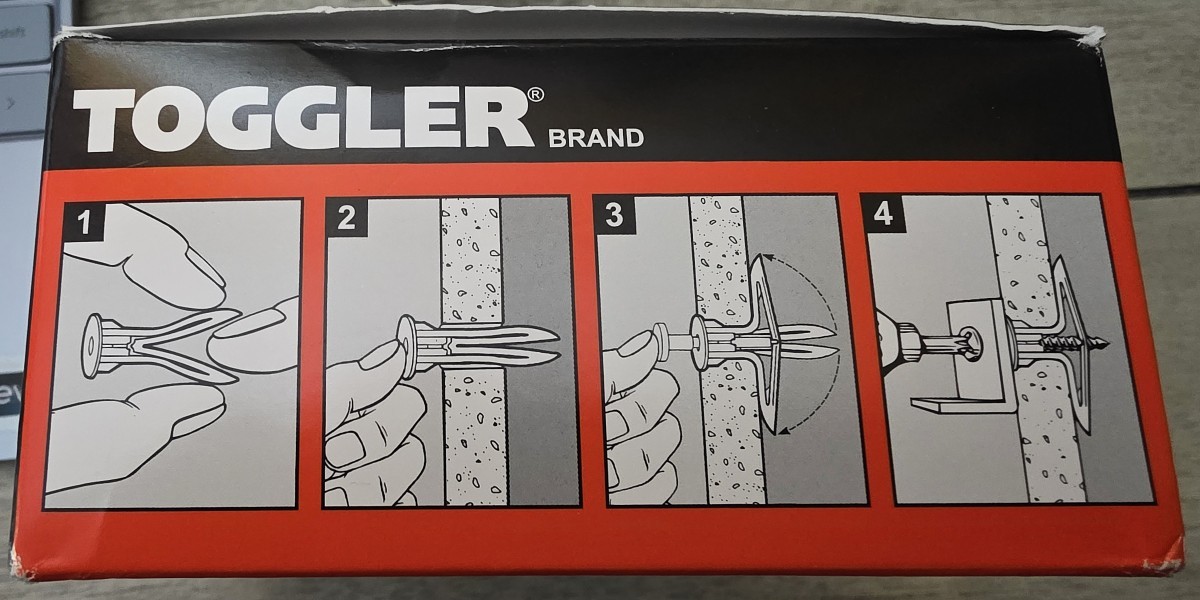
I have hung quite a few shelves on walls which has led me to develop somewhat strong feelings about wall anchors. I don't want to worry about shelves falling down, so instead of using whatever tiny plastic anchor comes with a new shelf, I went looking for what other options were available and came across these plastic anchors from Toggler that feel very secure.
Disclaimer: I don't have a construction or handyperson background, my walls are fairly standard drywall, I use a stud finder to confirm the location of studs and anything else in the walls before installing anything and always drill small pilot holes first—please do your own due diligence before grabbing the drill!
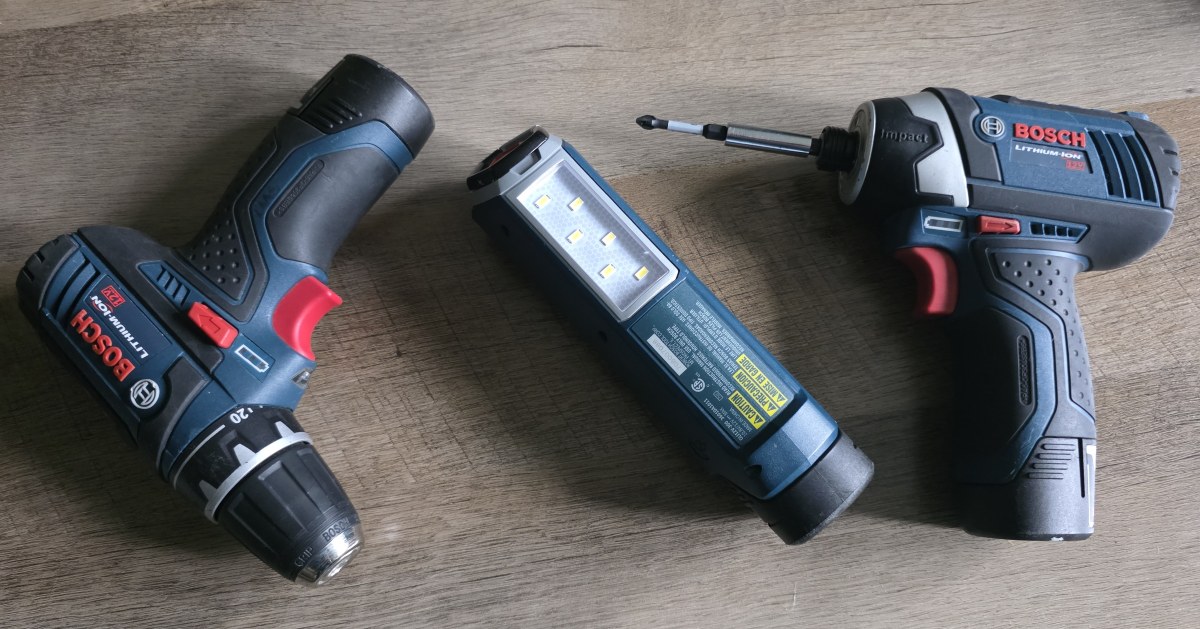
A quick bonus recommendation—when hanging shelves or doing anything else around the house, I love these Bosch 12v tools for their compact size and solid performance.
No. 5 Ratcheting Tools
Continuing on with the tool theme, sometimes a manual screwdriver is a better fit for the job, and my go-to manual screwdriver uses a ratcheting mechanism with a switch to set the direction and then just a back-and-forth twist motion instead of full rotation to work faster and more efficiently.
To bring it back to stationery for a minute, I also found the Rachetta pencil sharpener that uses a similar mechanism to sharpen a pencil. This model also has a button that when pressed will pop out again when the tip is sharp to prevent oversharpening, and a cap to cover the pencil hole when not in use. It's not the only pencil sharpener I use, but it's convenient to slip into a pouch and easy to operate.
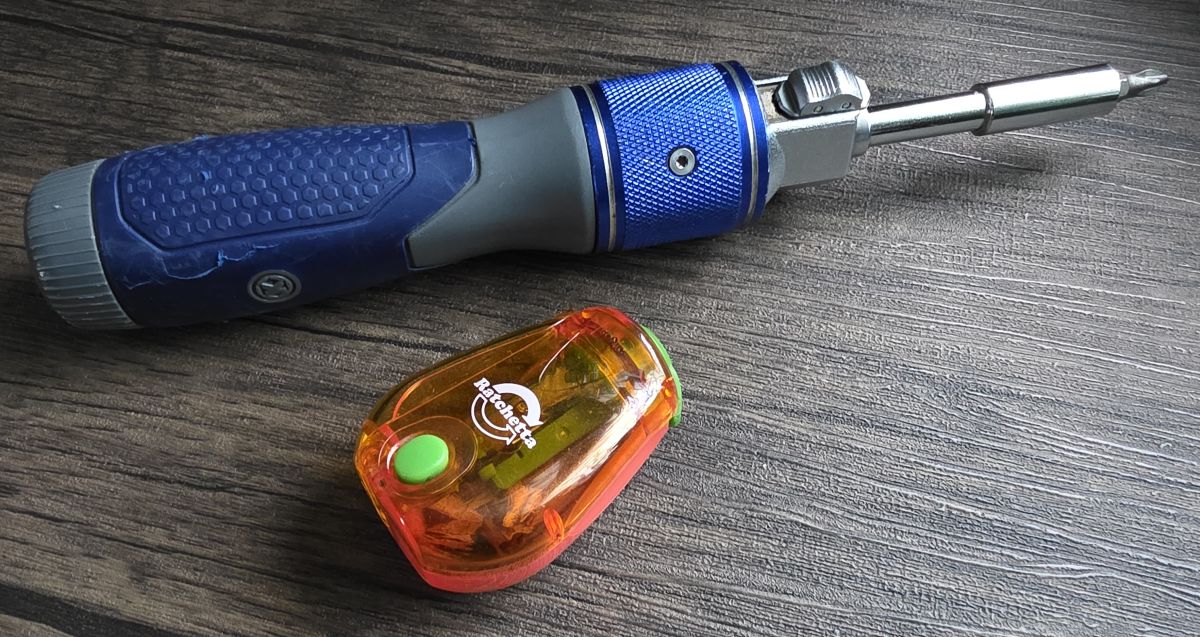
Sometimes it's worth it to keep an eye out for innovations that might allow you to work smarter, not harder.
No. 6 Neodymium Magnet Hooks
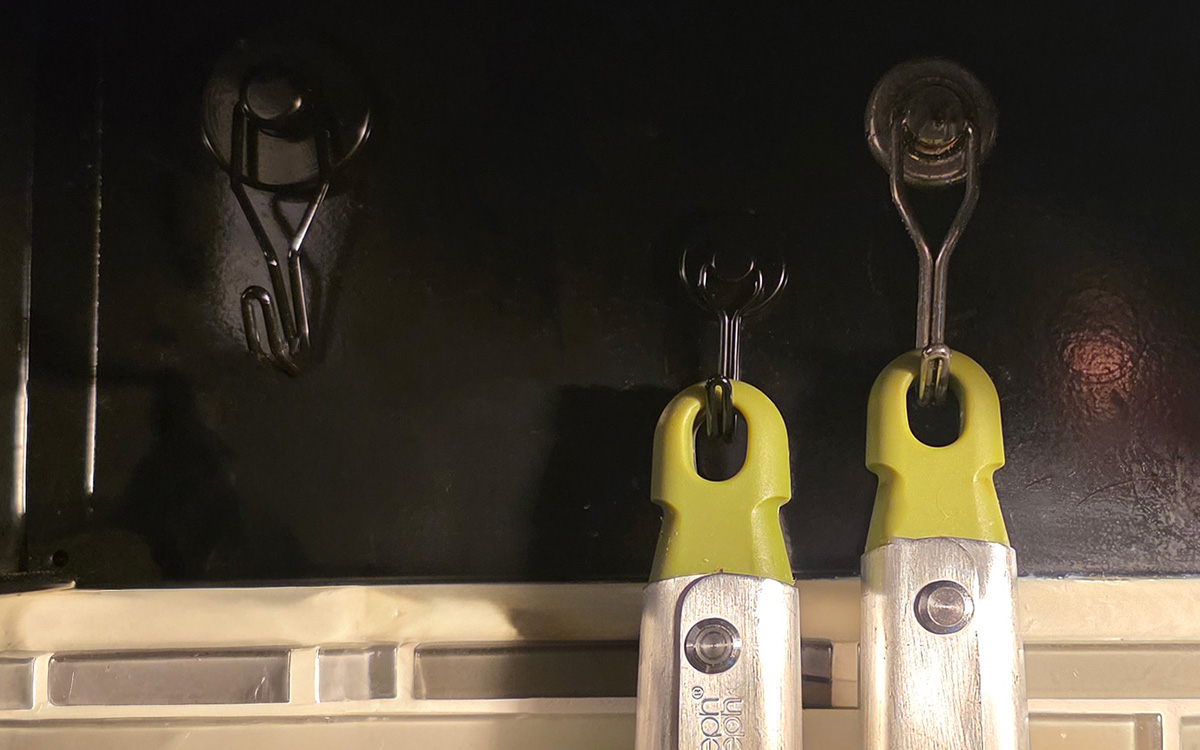
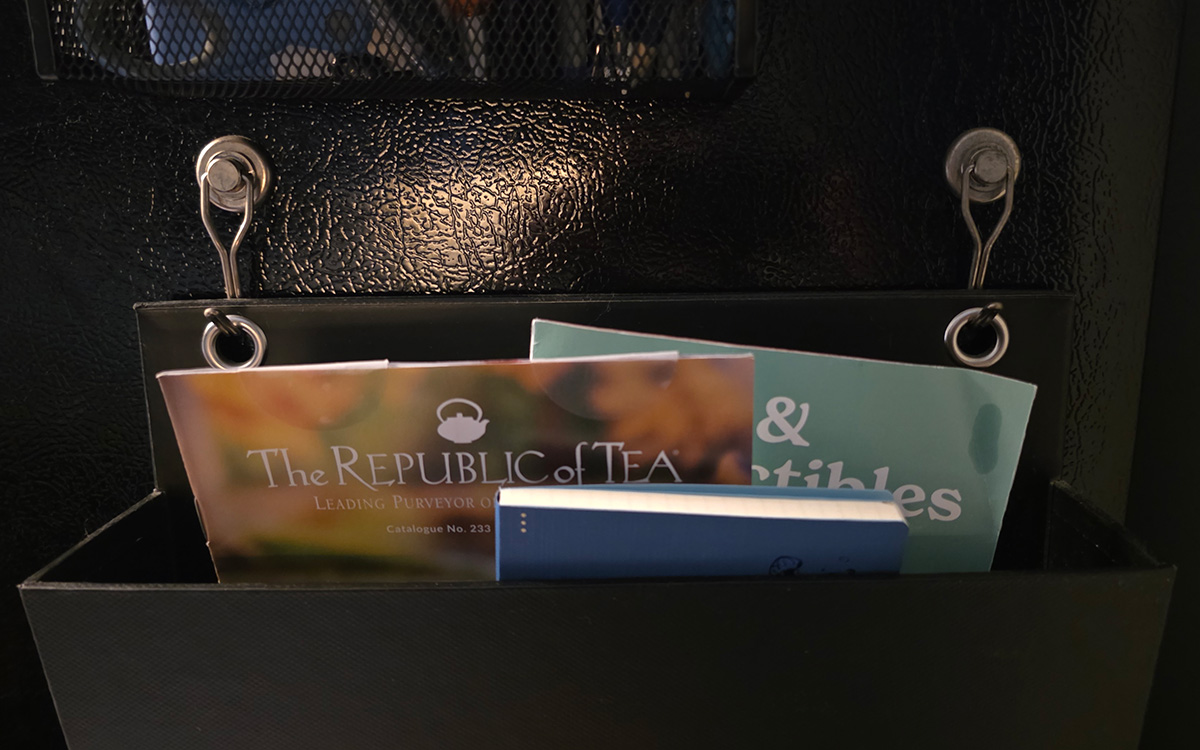
I've been using various designs of strong neodymium magnet hooks to hold utensils in the kitchen and even a paper sorter on the side of the fridge to hold coupons, catalogs, and a notebook for recipes.
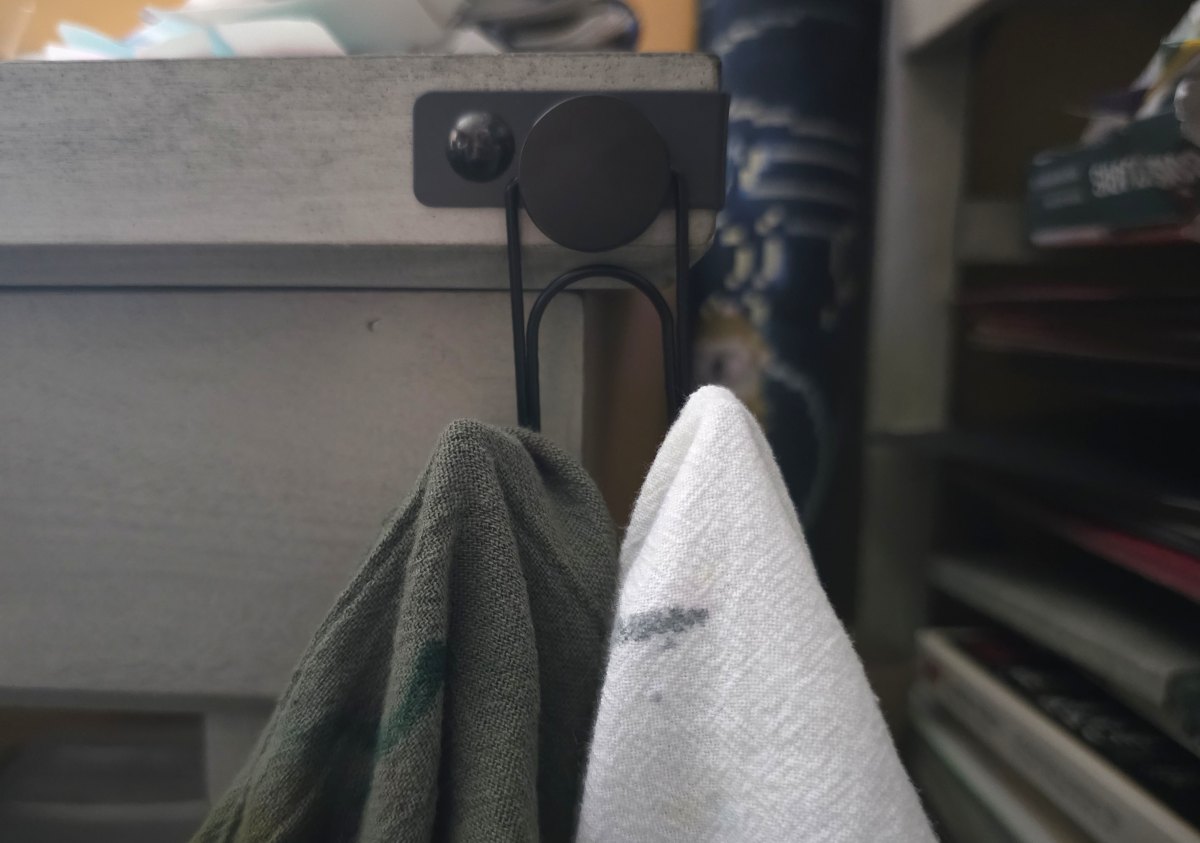
In my last list I mentioned using flour sack towels for wiping freshly-inked pens, drying tools, and cleaning up inky messes. I've started using these towels much more when painting with inks and reducing my use of disposable paper or shop towels, and have found I can use these magnetic hooks to attach to metal accents or the legs of desks to hang these towels at the ready wherever I'm using inks.
No. 7 Reusable Bags
I've made a habit of carrying around various reusable bags that tuck into a tiny pouch by clipping them to the primary bags I use for work, pen meetups, travel, outings, etc. My most-used bag of this type is a sling style that is lightweight but sturdy and great for collecting purchases at a holiday market (like the one I attended this weekend) or a pen show, keeping my hands free for more browsing.
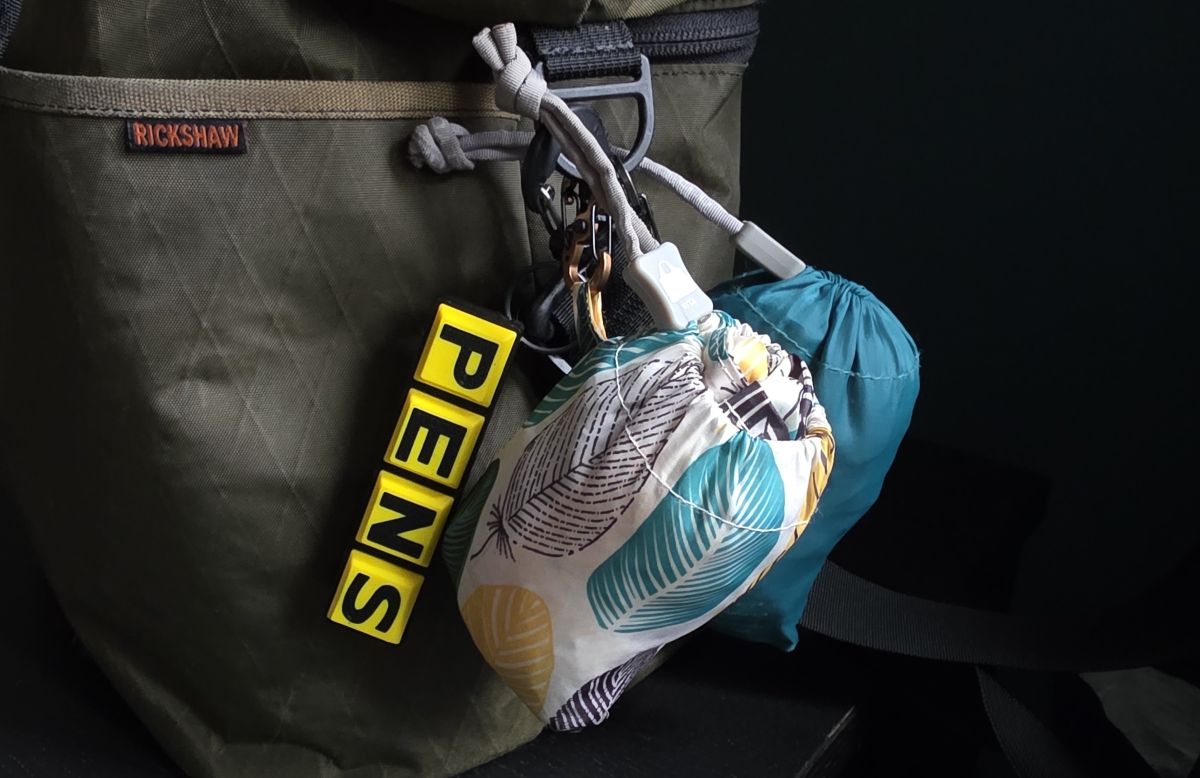
I also have several in a smaller grocery bag style that are perfect for picking up a few things at the local stationery shop, and a large two handled tote bag that's great for dropping off or picking up packages at the post office. When traveling I'll throw in a larger zippered tote that packs down into a flat rectangle shape that doesn't clip to a bag as well but slips easily into a suitcase pocket and can even serve as an extra carry-on if you find yourself traveling back home with a lot more than you departed with.
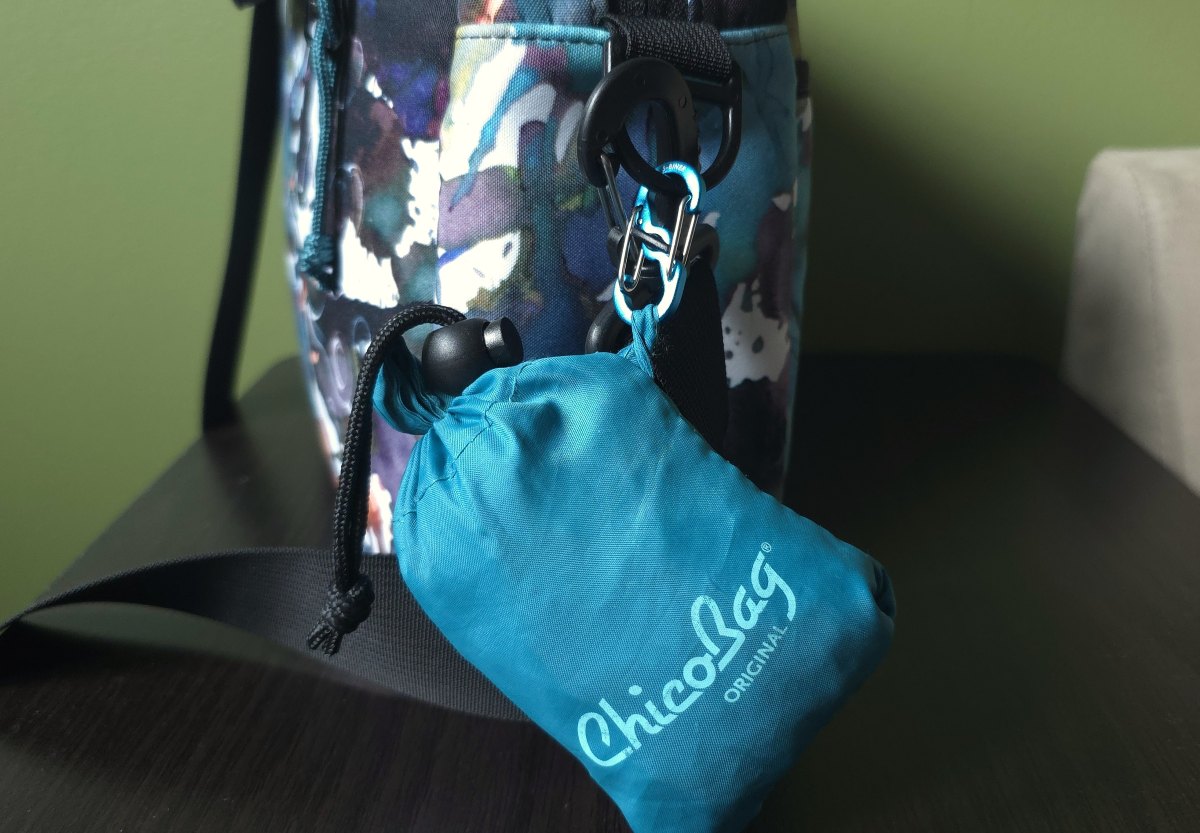
I find it endlessly useful to have these at hand—there are lots of good options out there but most of the bags I use are from ChicoBag.
No. 8 Locking "S-Biner" Clips
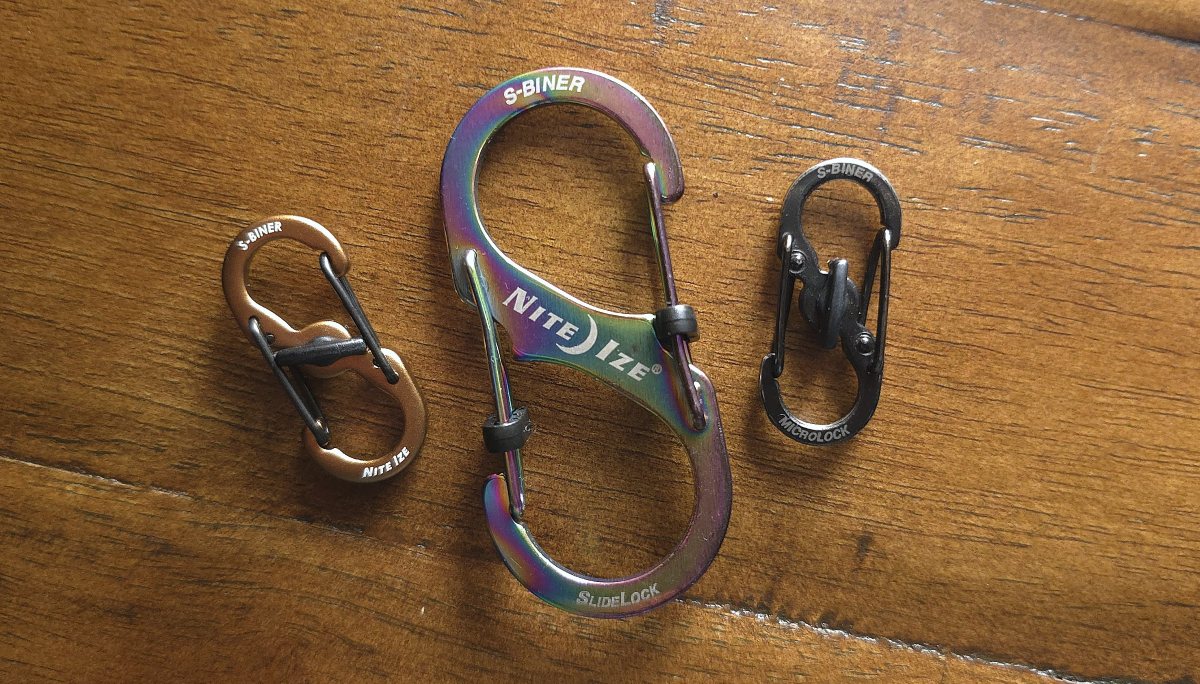
Even if a reusable bag comes with its own clip, I almost exclusively use the locking "S-Biner" clips from Nite Ize to clip those bags (or anything else, like a water bottle) to my primary bags. These clips come in a variety of sizes with different locking mechanisms that help ensure that any unexpected pressure as things move and shift won't accidently open the clip and cause an item to fall and get damaged or lost.
No. 9 Magnetic Metal Strips
I like to be able to hang things up on the wall above my desks, but have never really liked big bulky cork boards, white boards, etc. These thin metal strips with magnets are not bulky and fit into just about any space to hold on to whatever notes, photos, artwork, stickers, etc. I might want to save.
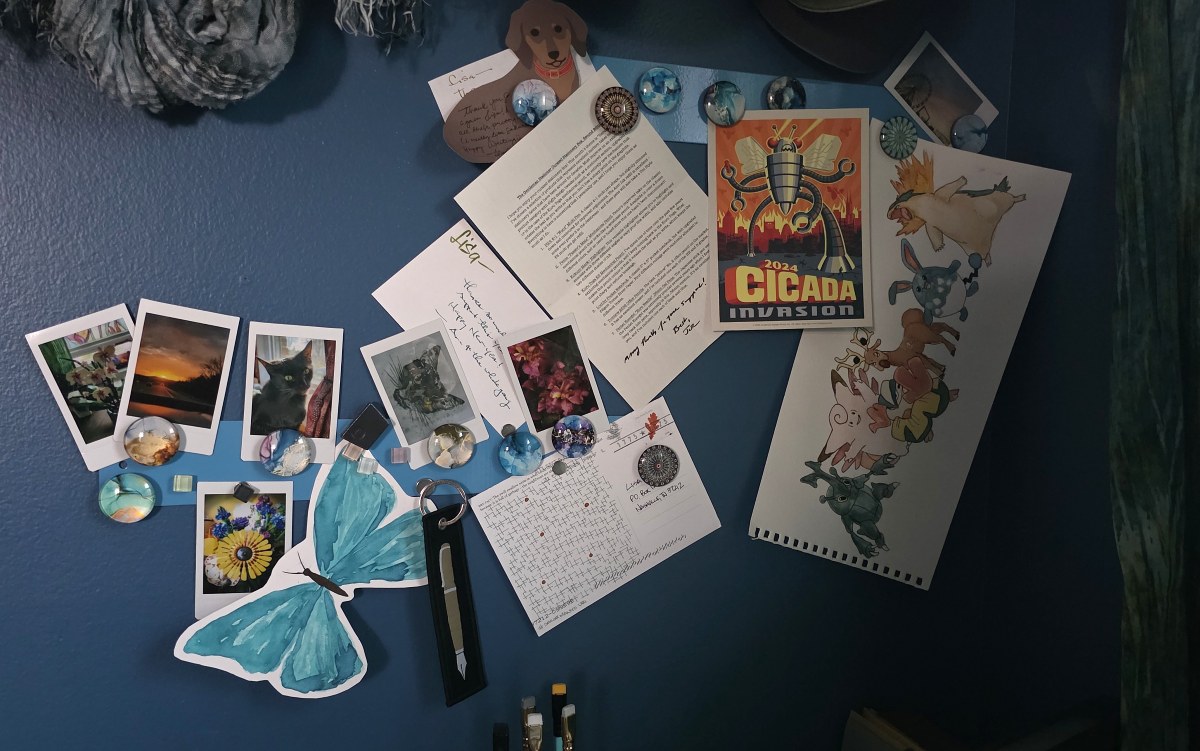
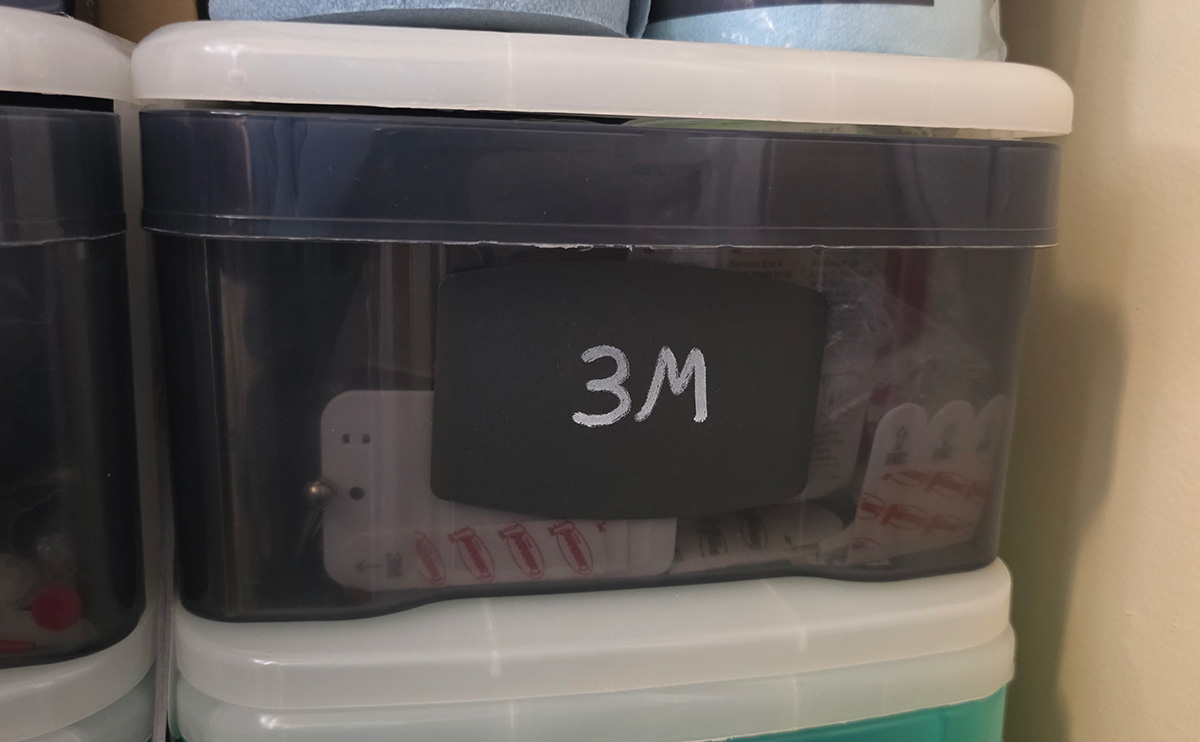
I usually hang things like these metal strips on the wall using the classic 3M Command hanging strips or pairs of picture hanging strips to skip making more holes in the walls than necessary. I use enough Command products that they get their own drawer in the closet.
No. 10 Kraft-Tex & Batik Quilting Fabric
I've dabbled in sewing all kinds of bags, pouches, etc. since I was young. This year I seriously looked at notebook systems like Plotter and William Hannah, but as nice as they are I generally prefer materials other than leather, like the "NWF" material used by some Franklin-Christoph products. I went looking around for what kinds of leather-alternative materials might be available and found Kraft-Tex material is a thick paper product that can be washed and sewn like cloth.
I got some Kraft-Tex and have been dabbling with little projects like making a cover to protect the rings of a slim discbound system and a custom 6-ring A5 binder. I also made and have been using a little wallet that holds my cards, cash, and an A7 size notebook.
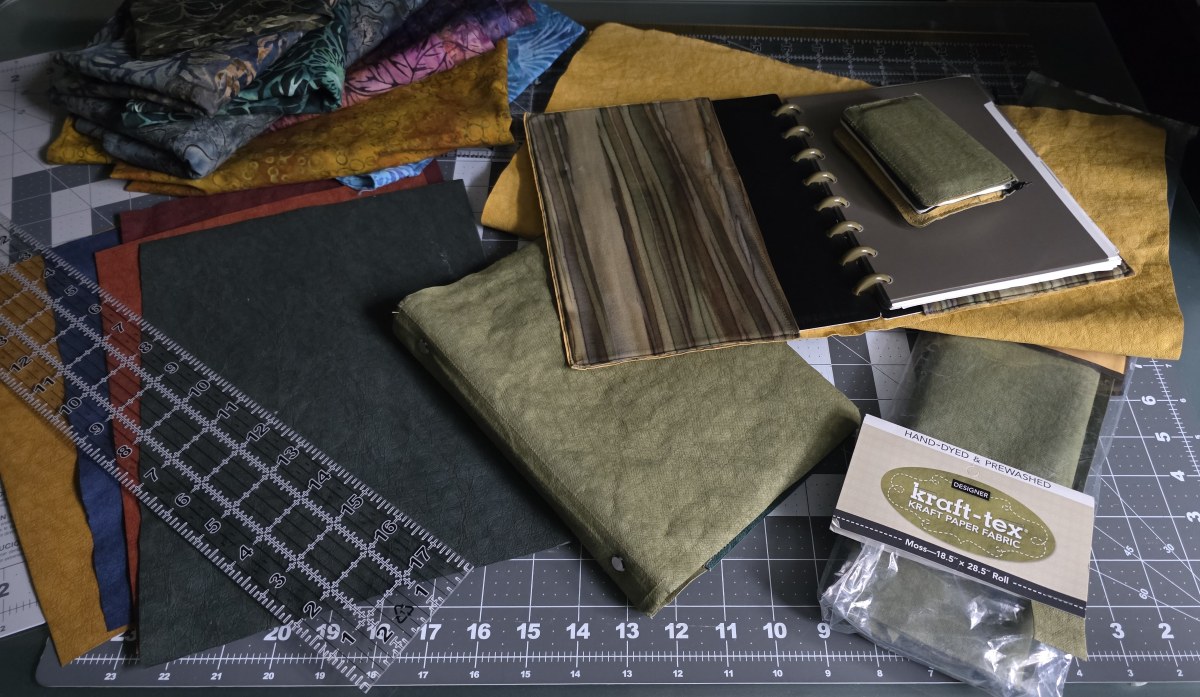
My go-to fabric for many sewing projects is batik quilting cotton because these fabrics can have quite beautiful colors and patterns that are dyed instead of just printed on one side, and the fabric is pretty sturdy and easy to work with. I was able to use batik fabric with the Kraft-Tex for the discbound cover with no issues.
There are so many good products in our stationery world, but I still like to get creative to build exactly what I'm looking for from time-to-time and I've got more ideas to play around with this Kraft-Tex.